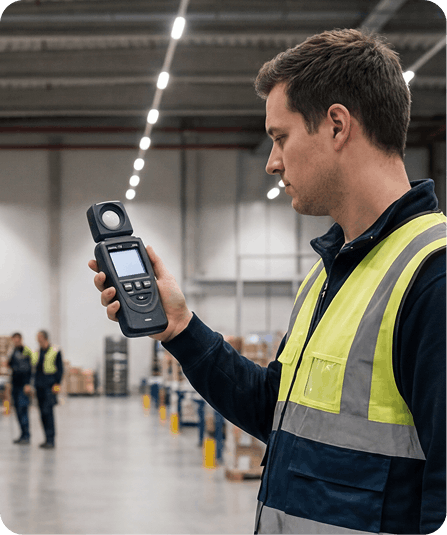
Photometric Testing
Photometric testing verifies that installed lighting meets code requir…

Specialty Testing
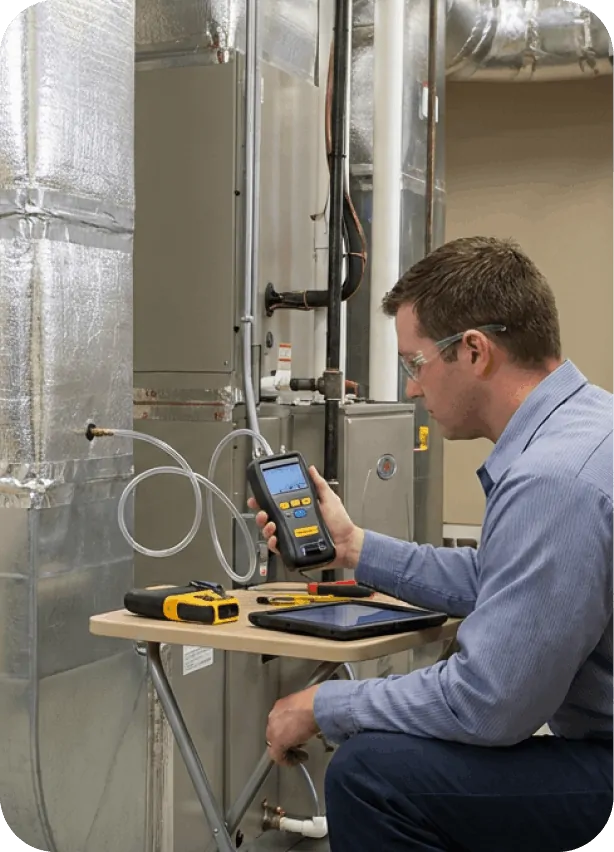
Blink Energy Services provides third-party static pressure testing to measure airflow performance, verify HVAC operation, and identify comfort or ventilation issues. As trusted energy efficiency specialists, we deliver objective data that helps teams understand how air moves through a system—and why problems may occur.
Photometric testing verifies that installed lighting meets code requir…
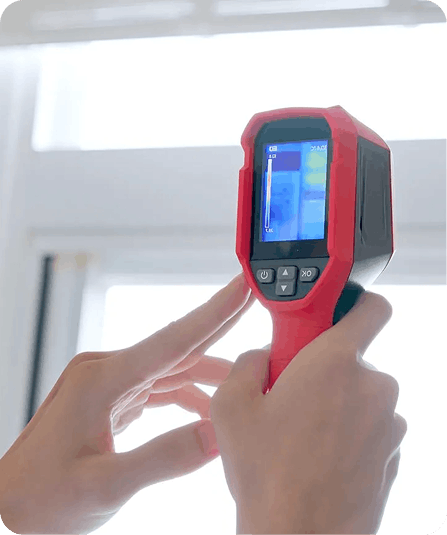
Blink Energy Services provides professional thermography and infr…
SUMMARY
Static pressure testing measures how well air moves through an HVAC system by evaluating resistance across equipment or within a dwelling unit. This targeted test confirms whether systems are operating within acceptable limits, supports troubleshooting, and helps identify the root cause of airflow, ventilation, or comfort-related issues.
WHAT IS STATIC PRESSURE TESTING
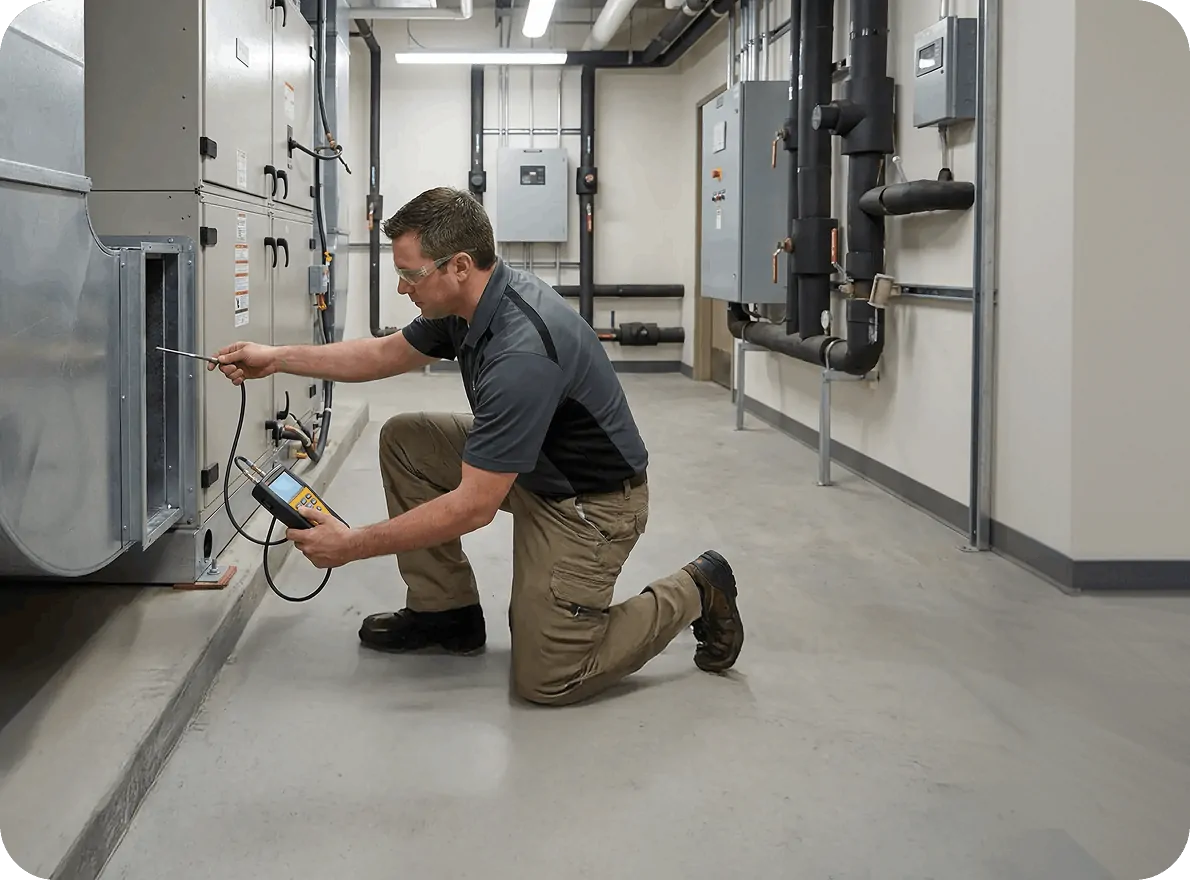
Static pressure testing is a diagnostic measurement used to determine how much resistance an HVAC system is working against.
In simple terms, we measure the free airflow rate of the equipment or evaluate airflow conditions within the dwelling unit to confirm whether the system is delivering the airflow it was designed to provide.


Either condition can result in comfort issues, noise, reduced efficiency, and premature equipment wear.
This service is not commissioned. It is a focused, third-party test designed to collect objective airflow data without directing installation or repairs.
WHY STATIC PRESSURE MATTERS?
As air moves through an HVAC system, it encounters resistance. When resistance is too high or too low, equipment must work harder to heat, cool, and ventilatethe space.
Improper static pressure can contribute to:


Static pressure testing helps pinpoint whether airflow problems stem from the equipment, ductwork, filters, or other system restrictions.

WHEN STATIC PRESSURE TESTING USEFUL
Static pressure testing is especially helpful in the following situations:


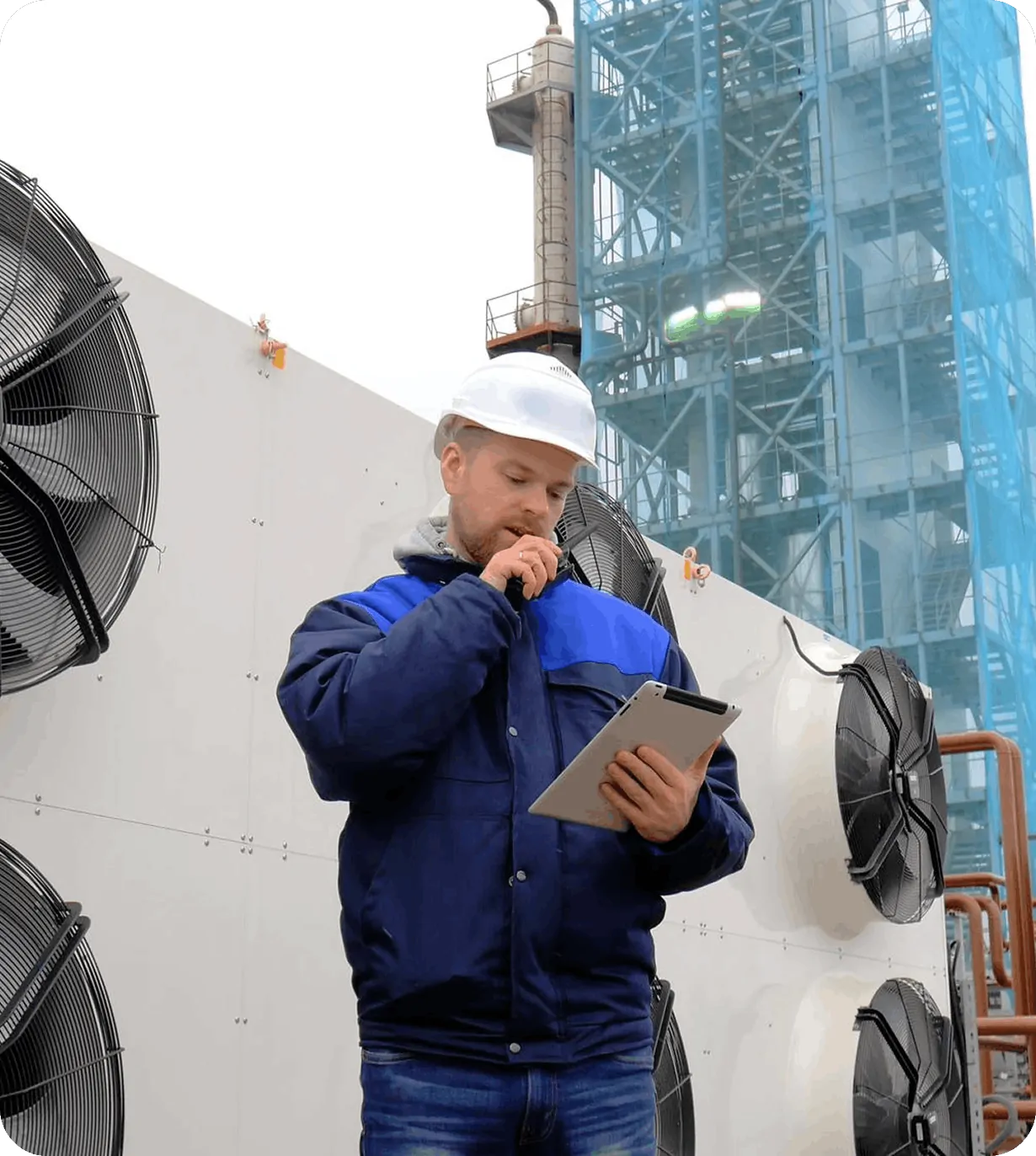
WHAT WE MEASURE
Static pressure testing typically includes:
All measurements are taken using calibrated instruments and documented clearly for review.
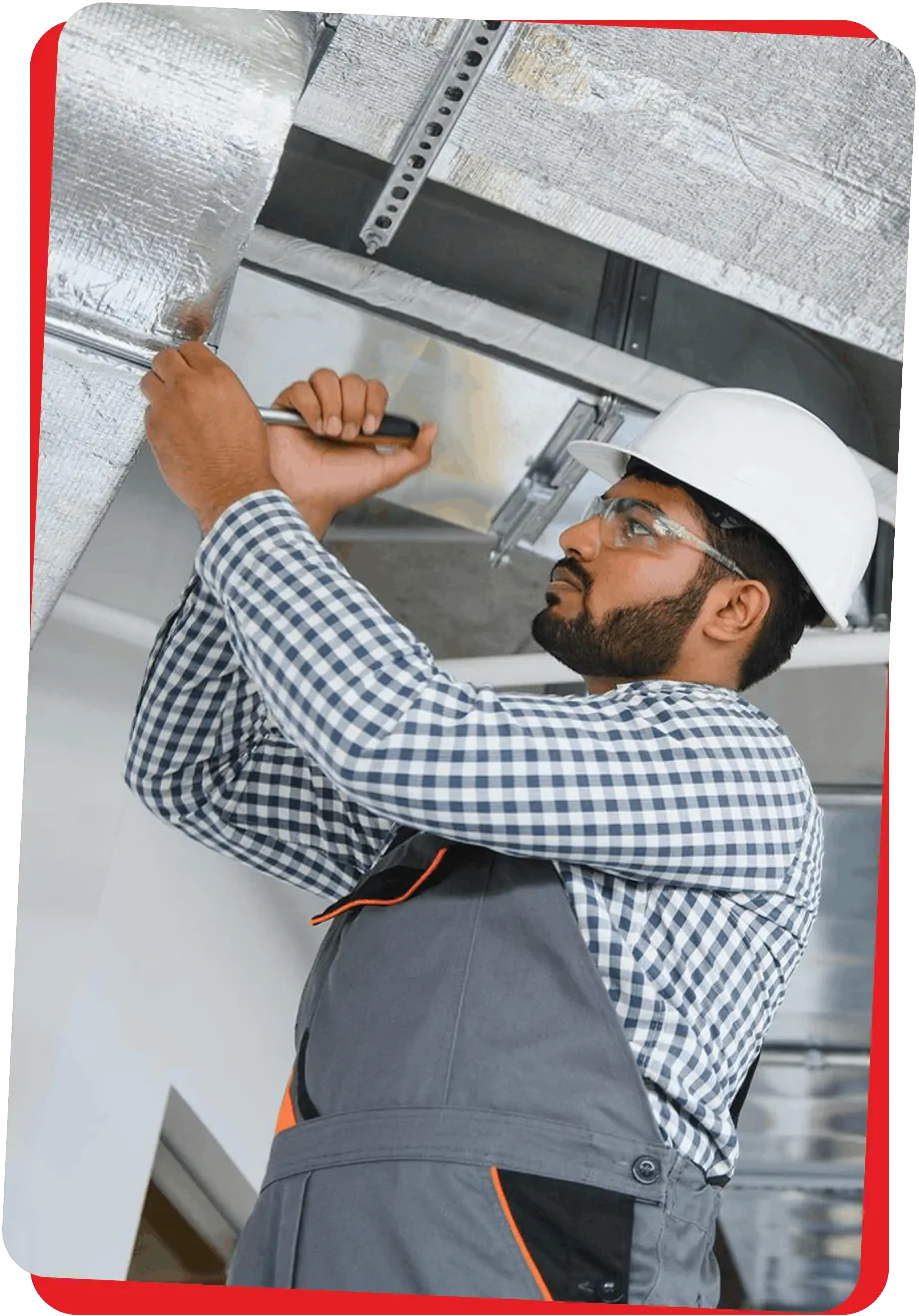
HOW THE TEST WORKS
Static pressure testing measures how well air moves through an HVAC system by evaluating resistance across equipment or within a dwelling unit. This targeted test confirms whether systems are operating within acceptable limits, supports troubleshooting, and helps identify the root cause of airflow, ventilation, or comfort-related issues.
We evaluate:
You receive a clear explanation of whether the system is operating within acceptable ranges and what conditions may be influencing airflow performance.
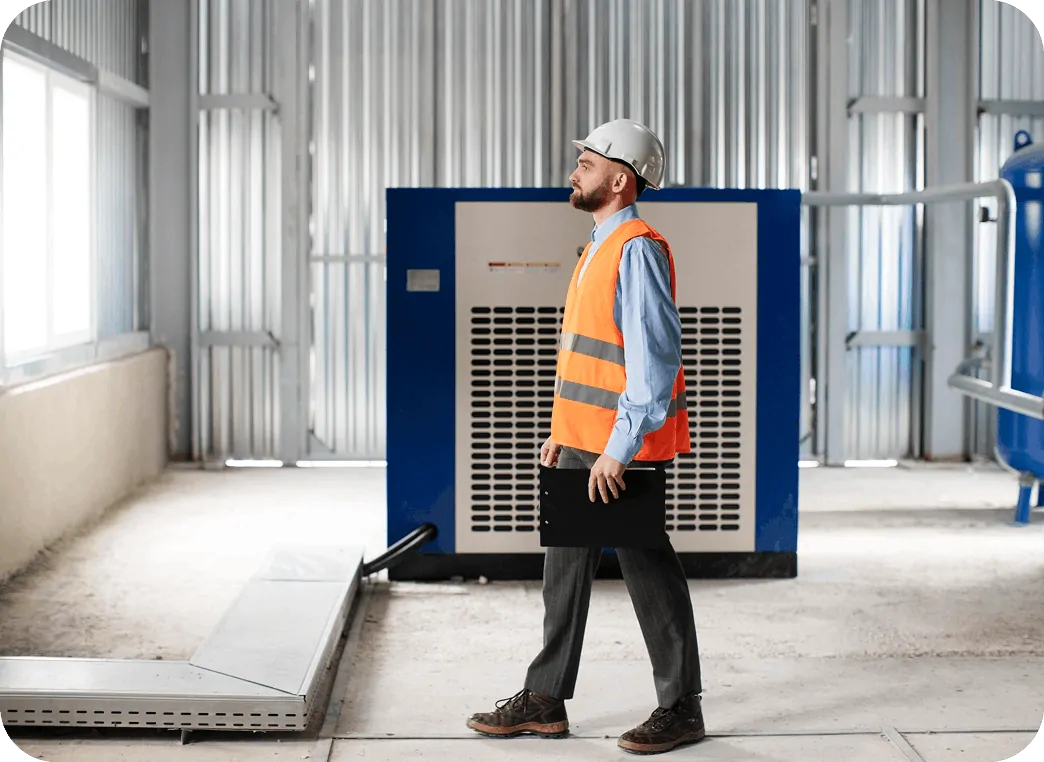
WHAT YOU RECEIVE
The static pressure report includes:


Reports are concise and suitable for owners, engineers, facility teams, and contractors.

WHAT WE NEED BEFORE TESTING
To perform static pressure testing, we typically need:
If a system is not ready for testing, Blink Energy can perform a readiness check and advise on next steps.
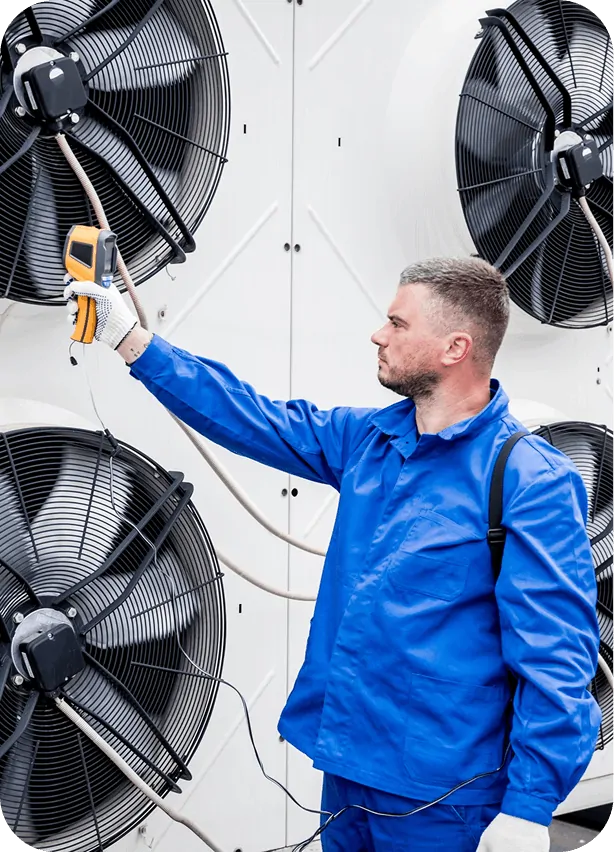
WHERE WE WORK
Blink Energy provides static pressure testing services throughout:


Our team delivers consistent, third-party testing wherever objective airflow verification is required.

Request Blink Photometric Testing
If your project requires airflow verification or you need to diagnose comfort or ventilation issues, Blink Energy can perform structured, third-party static pressure testing.