
Indoor Air Quality (IAQ) Testing
Blink Energy Services offers straightforward Indoor Air Quality (I…

Specialty Testing
Blink Energy Services provides lighting controls testing to verify that installed systems operate correctly and meet energy code requirements. Our energy experts help commercial and multifamily projects pass inspection, reduce delays, and prepare buildings for occupancy.
Blink Energy Services offers straightforward Indoor Air Quality (I…
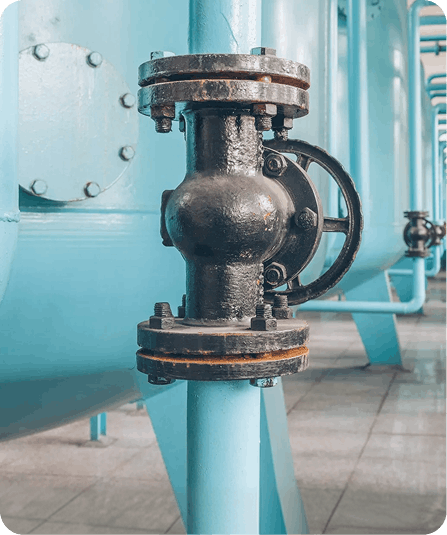
Mechanical controls testing verifies that thermostats, ventilation contro…
SUMMARY
Lighting controls testing confirms that occupancy sensors, time-clock controls, daylight-responsive systems, and other required devices function as intended under IECC requirements.
This testing is typically required for final inspections and helps ensure projects move through closeout with fewer delays and fewer re-inspections.
WHAT IS LIGHTING CONTROLS TESTING
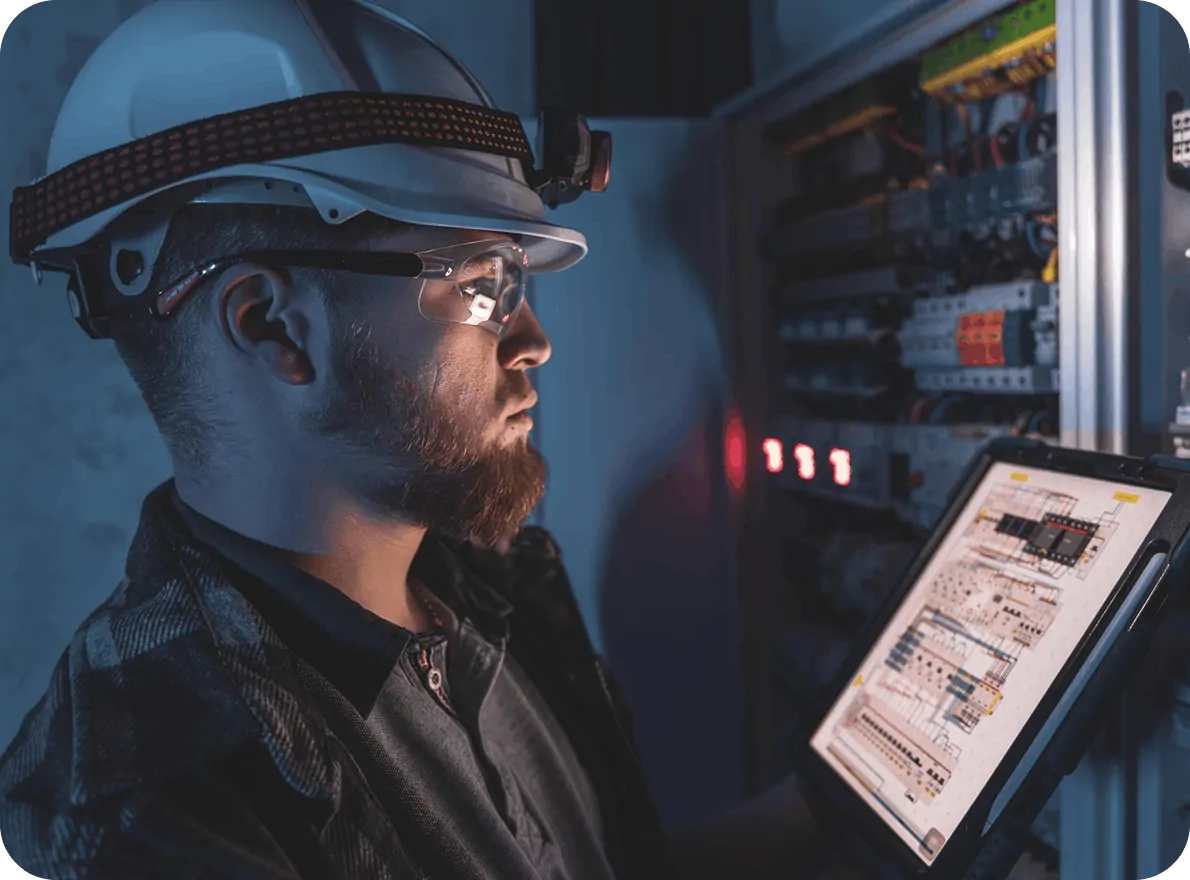
Lighting controls testing is a field evaluation of systems that automatically manage lighting operation. The test confirms that the required control strategies are installed, properly configured, and fully functional.In simple terms, we test each required lighting control to confirm that lights turn on, off, or dim when they are supposed to.
This includes:


Lighting controls testing is required on many commercial and multifamily projects to meet energy code compliance.
WHY LIGHTNING CONTROLS MATTER
Lighting often represents a significant portion of a building’s energy use. Properly functioning controls reduce wasted energy by ensuring lighting operates only when needed.
Effective lighting controls:


As energy compliance consultants, we focus on verifying performance—not just checking boxes.
WHEN LIGHTINING CONTROLS TESTING IS REQUIRED
Lighting controls testing is typically required in the following situations:
Most commercial spaces must include one or more of the following:
Testing verifies these systems operate correctly before inspection.
When fixture types, layouts, or control zones change, controls may no longer function as designed.
Many AHJs require documentation or proof that lighting controls are installed and functioning properly.
If lights remain on too long, shut off unexpectedly, or fail to dim, testing identifies the cause.
WHAT WE TEST
Lighting controls testing is typically required in the following situations:
Occupancy/Vacancy Sensors
Time Clock Controls
Daylight-Responsive Controls
Multi-Level or Step-Dimming Controls
If a control is installed, we verify it works and meets the applicable requirement.

HOW THE TEST WORKS
We coordinate with site personnel to access controlled spaces and gain temporary control of switches, sensors, and override functions.
Each control device or zone is evaluated by:
Each device or zone receives a clear pass/fail status, with notes identifying any issues that require adjustment.
WHAT YOU RECEIVE
Lighting controls testing deliverables typically include:


Reports are formatted for inspectors, design teams, and closeout packages.
WHAT WE NEED BEFORE TESTING
If systems are not ready, our energy compliance consultants can perform a readiness check to identify missing or incomplete items.
To complete testing efficiently, the following should be in place:


TYPICAL ISSUES WE CATCH
Lighting controls frequently fail due to:


Reports are concise and suitable for owners, engineers, facility teams, and contractors.
WHERE WE WORK
Blink Energy Services provides lighting controls testing throughout:

NEXT STEP
Request Lighting Controls Testing
If your project requires lighting controls testing for inspection, closeout, or energy code compliance, Blink Energy Services can schedule testing quickly and deliver clear, reliable documentation.